


Remembrance of things past with my mother
I find myself in a small unfurnished room. A large cloud of gray smoke, with just a hint of blue, hangs motionless in the still, dormant air. When I recognized the faint smell of cigarette smoke memories of my mother arose from my most profound subconsciousness. She smoked all the time, except when she was asleep. My father did the same. One thing they had in common.
Of course, you can never be completely sure of the accuracy of your remembrances, especially after so many years, but I am more or less certain of the following two which the smell of cigarette smoke awoke in me.
I was about six. My mother, father, sister, and I were living in a tiny, converted military barracks of four rooms. Two bedrooms, a kitchen /living room, and a bathroom. All very small. The barracks had been constructed for soldiers training for World War II. Years later they were providing free housing for doctoral candidates at the University of Illinois. My father was preparing his thesis in French literature. My parents were good friends with R and W who lived right next door, in another shack identical to ours. It turned out that Carl Sandburg, the Pulitzer Prize-winning poet from Chicago, was going to visit R, an up-and-coming poet who had already won a few awards. (One day she would be the poet laureate of Vermont.)
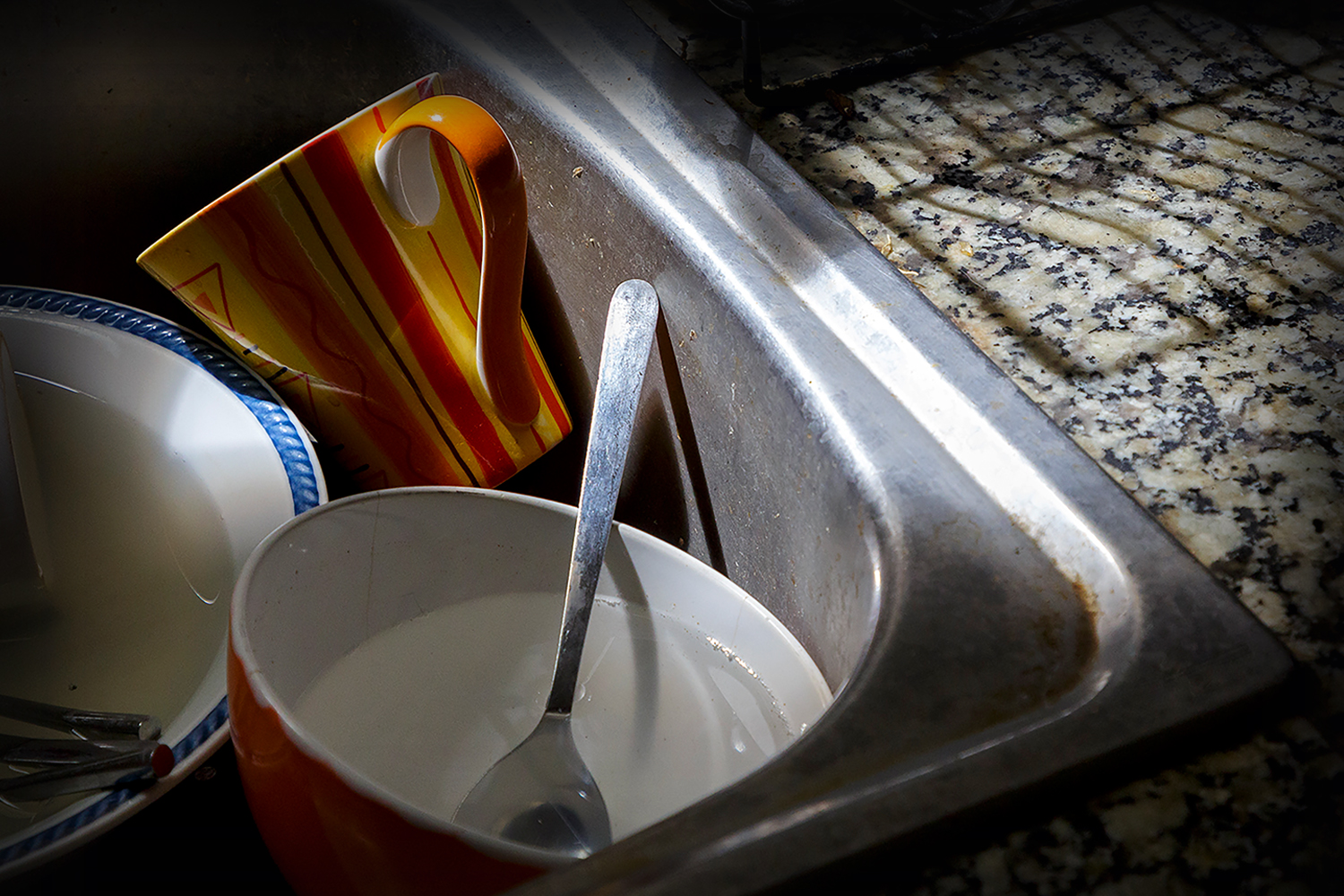
Being close friends and next-door neighbors, my parents were invited to meet the renowned poet. My mother returned the invitation, and the next afternoon everyone would come to our place for tea, which usually meant a little vodka thrown in. My father’s potential connection to Sandburg was basically literary. Dad had a certain fame in the limited university bohemian circles for his knowledge of avant-garde literature, and for his fondness for partying. At least this is what l was told later. My mother’s connection to Sandburg was more political. He was a well-known left winger, my mother a convinced socialist, and somewhat active in black liberation movements and nascent feminism. But in other areas she was completely passive. Like cleaning our house. An innocent child, I thought everyone lived like us with floors covered with books, dirty clothes, old newspapers, toys, and dog hair and a sink full of dirty pots and pans and dishes that were washed, or rather rinsed, just before being used again. I didn’t learn until much later that some families kept their homes nice and clean and tidy.
«my mother a convinced socialist, and somewhat active in black liberation movements and nascent feminism. But in other areas she was completely passive. Like cleaning our house.»
But even my mother, as slovenly as she was, had a last-minute revelation. A famous poet was dropping by for tea. Out of respect, she really should clean up a little. So, she and I got down to work. We pushed or dragged all the stuff we found on the floor across the room and shoved it into the closet. When it was almost filled up to the brim, I leaned against the door while my mom forced it shut. And just in time. Our guests knocked on the door. When I turned around, miracle of miracles, I could actually see the floor! They came in. I went outside, with my dog. There wasn’t enough room for two more bodies in our petite kitchen/living room, and I certainly was in no mood to listen to the usual endless table talk. Later, when I saw the famous poet leave, I went back in with my doggy. My mother and I opened the closet door slowly, keeping pressure on it, so that all the newspapers and books and clothes wouldn’t crash unto the floor at the same time. And exactly according to plan everything quietly slid back onto the floor, little by little. Ironically overacting mother spread the stuff evenly across the floor, like she was making bread: “We don’t want any dangerous piles. Someone might trip and break a leg. And we don’t have any insurance.” She lit another cigarette with the one she had just finished and went over to the sink where she rinsed off enough plates and frying pans for dinner. Hamburgers no doubt.
Another early mother memory: I was still about six, give or take a year. It was Christmas. My aunt, my father’s sister, had sent me a gift, beautifully wrapped with bows and colored ribbons, just like in the movies. The box was cubic. I picked it up and shook it, over and over again. I tried to peer inside the box but could make nothing out. But one thing was clear: there was a round object inside, reasonably large and not very heavy. It had to be a basketball! I was delirious with joy. My very own basketball! I could hardly wait for Christmas morning.
December 25th finally arrived. I tore into the box. But there was no basketball. But rather a globe of the world. I froze, my dismay manifest. My mother who had a master’s degree in psychology probably feared some lasting emotional derangement. She immediately went through every nook and cranny of our little shack searching for loose change and soon ran out the door. In no time flat she was back with a basketball. A real one, and brand new to boot! Trauma avoided. One of my truly memorable Christmases! I had after all gotten a second gift from my parents! Or maybe even a third one if you count the fact that my mother climbed up a small ladder and nailed a basket to the wall so I could perfect my shooting skills.
It wasn’t a real basketball hoop. That would have been much too costly. It was a worn-out clothes basket that we used to collect our dirty laundry. My mother cut the bottom off with a giant pair of scissors. And there was a side benefit. Being much bigger than a real basketball hoop, it was much easier for me to make my shots. So, in our tiny living room while my little sister slept or cried, and my parents argued and smoked, I played basketball with my doggy barking at my feet.
And thus began my basketball career which reached its apex when I was fourteen and was the second highest scorer on my junior high school varsity basketball team. It was the apex of my sports career. Out of respect for my mother, who was very short, I stopped growing. She never reached 5 feet tall, (152 cm) and I was never in the starting lineup again.